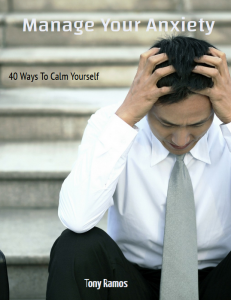


 Mental health disorders are a common problem among people of all ages, races, and cultures. According to the World Health Organization, one in four people globally suffers from mental health disorders. Fortunately, there are various treatments available to help people manage and overcome these conditions. In this article, we will discuss the top nine proven treatments for mental health disorders.
1. Medication
Medication is often the first line of treatment for mental health disorders. Antidepressants, antipsychotics, anxiolytics, and mood stabilizers are commonly used to manage symptoms of depression, anxiety, bipolar disorder, and schizophrenia, among others. It is essential to seek medical advice from a healthcare provider before starting any medication.
2. Psychotherapy
Psychotherapy, also known as talk therapy, is a type of treatment that involves talking to a mental health professional to explore and address emotional and behavioral problems. Different types of psychotherapy are used to treat various mental health conditions, including cognitive-behavioral therapy, psychodynamic therapy, and interpersonal therapy.
3. Electroconvulsive Therapy (ECT)
ECT is a treatment that involves the use of electrical currents to stimulate specific parts of the brain. It is primarily used to treat severe depression, bipolar disorder, and schizophrenia. ECT is considered a last resort when other treatments have failed.
4. Repetitive Transcranial Magnetic Stimulation (rTMS)
rTMS is a non-invasive treatment that uses magnetic fields to stimulate nerve cells in the brain. It is primarily used to treat depression, anxiety, and obsessive-compulsive disorder. rTMS is considered a safe and effective treatment option.
5. Light Therapy
Light therapy is a treatment that involves exposure to bright light to regulate the body’s circadian rhythms. It is primarily used to treat seasonal affective disorder (SAD), a type of depression that occurs during the winter months when there is less natural light.
6. Exercise
Exercise is a natural way to boost the mood and reduce symptoms of depression and anxiety. It is also essential for overall physical health and can help people manage stress and improve sleep.
7. Mindfulness Practices
Mindfulness practices, such as meditation and yoga, are effective in reducing symptoms of depression, anxiety, and stress. These practices help people stay in the present moment and reduce negative thoughts and emotions.
8. Dietary Changes
A healthy diet can have a positive impact on mental health. Eating a balanced diet rich in fruits, vegetables, lean protein, and healthy fats can help regulate mood and reduce symptoms of depression and anxiety.
9. Support Groups
Support groups can be an effective way to connect with others who are going through similar experiences. They provide a safe and supportive environment for people to share their thoughts and feelings and receive feedback and encouragement.
In conclusion, mental health disorders are challenging to manage, but there are various treatments available that can help people live a fulfilling life. It is essential to seek help from a qualified healthcare provider to determine the best treatment plan for your specific needs. With the right treatment and support, people with mental health disorders can lead a healthy and happy life.