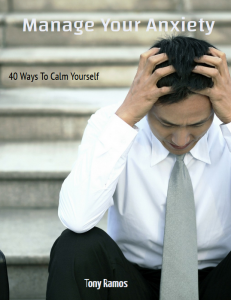


 Mental health is a critical aspect of overall well-being. It affects how we think, feel, and act, and it can have a significant impact on our daily lives. Despite the importance of mental health, it is often overlooked, and many people do not seek help when they experience symptoms. In this article, we will take a closer look at mental health symptoms and what you need to know.
Depression
Depression is one of the most common mental health disorders. It is characterized by feelings of sadness, hopelessness, and a lack of interest in activities that were once enjoyable. Other symptoms of depression include changes in appetite and sleep patterns, fatigue, and difficulty concentrating. Depression can be treated with therapy, medication, or a combination of both.
Anxiety
Anxiety is another common mental health disorder. It is characterized by excessive worry and fear about everyday situations. Symptoms of anxiety include restlessness, irritability, muscle tension, and difficulty sleeping. Anxiety can be treated with therapy, medication, or a combination of both.
Bipolar Disorder
Bipolar disorder is a mental health disorder characterized by extreme mood swings. People with bipolar disorder experience episodes of mania, which is characterized by high energy levels, racing thoughts, and impulsive behavior, as well as episodes of depression. Treatment for bipolar disorder usually involves medication and therapy.
Schizophrenia
Schizophrenia is a severe mental health disorder that affects how a person thinks, feels, and behaves. Symptoms of schizophrenia include hallucinations, delusions, disorganized thinking and speech, and a lack of motivation. Treatment for schizophrenia usually involves medication and therapy.
Post-Traumatic Stress Disorder
Post-traumatic stress disorder (PTSD) is a mental health disorder that can occur after experiencing or witnessing a traumatic event. Symptoms of PTSD include flashbacks, nightmares, avoidance of triggers, and hypervigilance. PTSD can be treated with therapy, medication, or a combination of both.
Obsessive-Compulsive Disorder
Obsessive-compulsive disorder (OCD) is a mental health disorder characterized by intrusive, unwanted thoughts and repetitive behaviors. People with OCD may feel the need to perform certain rituals or routines to alleviate anxiety or distress. Treatment for OCD usually involves therapy, medication, or a combination of both.
In conclusion, mental health is a critical aspect of overall well-being, and it is essential to recognize the symptoms of mental health disorders. If you or someone you know is experiencing symptoms of a mental health disorder, seek help from a mental health professional. With proper treatment and support, mental health disorders can be effectively managed, and individuals can lead fulfilling lives.