

In case you missed it, U.S. Surgeon General Vivek Murthy, M.D., issued an advisory May 23 on the topic of social media and youth mental health. There also was an advisory May 9 from the American Psychological Association. Both advisories state that keeping kids safe online should be a shared obligation between policy makers, technology companies, caregivers, parents and kids.
Both advisories included benefits and potential harms of social media and had recommendations on how to use it in a positive way.
What made me feel better as a mom was reading that social media is not inherently good or bad for young people. The surgeon general’s advisory adds that the effects of social media depend on adolescents’ own personal and psychological characteristics and circumstances. The effects likely focus on what teens can do and see online, teens’ preexisting strengths or vulnerabilities, and the contexts in which they grow up.
A study of U.S. adolescents aged 12-15 found that those who spent more than three hours a day on social media faced double the risk of poor mental health outcomes, including symptoms of depression and anxiety.
I have an almost 9-year-old girl, and she is always on YouTube, which drives me crazy. She is not allowed on TikTok, but sometimes I catch her there. So far she just watches videos on tweens buying clothes and doing tween girl things. For example, she and I went to Target and picked out “cool clothes,” then she wanted to go to Starbucks at the front of the store. She told me to order a pink drink and a pink cake pop. I don’t drink coffee so I don’t frequent Starbucks, but I ordered. When I got my debit card out to pay, the cashier said $9.25. I looked at my daughter and said, “$9.25??” She blushed and went to get her drink. She later admitted she saw it on YouTube — the whole Target experience.
I figure if that’s the worst that has happened, we’re OK. For now. I know we need to monitor her more. And limit her time. Same goes for our son. We’re just afraid to pull the trigger.
The surgeon general’s report cites a longitudinal cohort study of U.S. adolescents aged 12-15 that, adjusted for baseline mental health status, found adolescents who spent more than three hours a day on social media faced double the risk of poor mental health outcomes, including symptoms of depression and anxiety. The report also holds that up to 95% of youth ages 13-17 say they use a social media platform, with more than a third on it “almost constantly.”
Story continues
This is what worries me. Again, my husband and I just need to make boundaries and stick to them. It’ll be easier now than when our son and daughter are older.
These advisories’ statistics and warnings shouldn’t shock anyone, but what I like is hearing recommendations and positive messages from both:
-
Youth using social media should be encouraged to use functions that create opportunities for social support, online companionship and emotional intimacy that can promote healthy socialization.
-
Create tech-free zones and encourage children to foster in-person friendships.
-
Teach kids about technology and empower them to be responsible online participants at the appropriate age.
-
Adolescents should be routinely screened for signs of “problematic social media use” that can impair their ability to engage in daily roles and may present risk for more serious psychological harms over time.
-
Adolescents should limit use of social media for social comparison, particularly around beauty- or appearance-related content.
I’ve been on social media since 2005, but I was already an adult. I had no problems, but not long ago a friend had to move her 13-year-old daughter to another school because she was being bullied so much through TikTok and Instagram. Her tormentors called her the ugliest names and were relentless. The girl’s mental health took a dive, and there was not much the parents could do.
I’ve read similar stories, except the victim died by suicide. This isn’t a game; people think that because they’re doing it through social media, it’s not real or that it doesn’t matter.
But it does.
People’s lives matter — online or not.
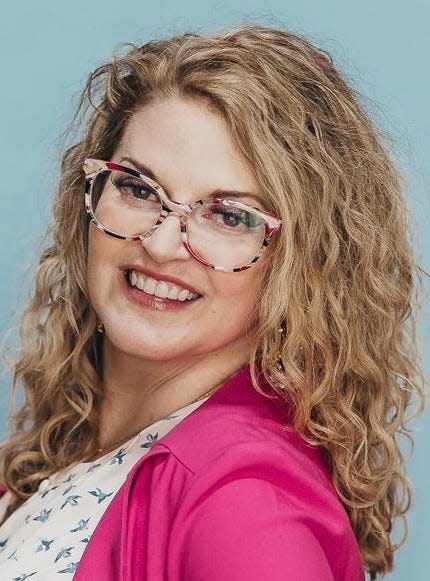
Heather Loeb
For more than 20 years, Heather Loeb has experienced major depression, anxiety and a personality disorder, while also battling the stigma of mental health. She is the creator of Unruly Neurons (www.unrulyneurons.com), a blog dedicated to normalizing depression and a member of state Rep. Todd Hunter’s Suicide Prevention Taskforce.
Mind Matters
Now more than ever we need to take care of our mental health. Guest columnist Heather Loeb discusses why and explores other important mental health topics in this special series.
This article originally appeared on Corpus Christi Caller Times: Mental Health Matters: How to set boundaries on social media for teens