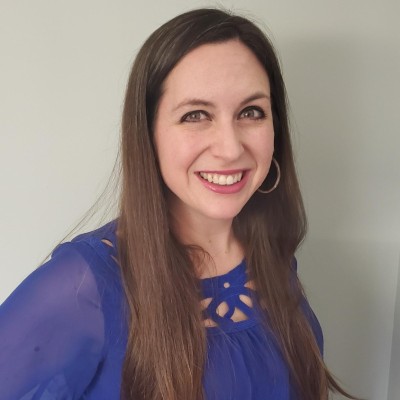


“I am not different from you, yet we are not the same.” I often use this phrase during consultations with patients. I say it to emphasize that we all have faced challenges in our lives, yet those lived experiences can be quite different. As a Black therapist who specializes in working with marginalized communities, I understand the barriers that Black, indigenous, and people of color face when it comes to mental health.
Mental health impacts people from diverse backgrounds regardless of age, gender or culture. However, BIPOC (Black, indigenous and people of color) communities face distinct challenges in accessing care. Among barriers like finances, lack of culturally competent therapists, and discrimination, stigma can be particularly crippling.
So what can we do to break down these barriers?
Breaking the silence means making lots of noise: Stigma thrives in ignorance, meaning lack of knowledge breeds misunderstanding. We create our own narratives based on our own experiences, exposure and knowledge from our elders. Our most powerful, stigma-combatting tools are education and awareness. Increasing awareness about mental health conditions, their causes and available treatments can dispel myths and misconceptions. BIPOC communities can also learn from culturally-sensitive resources addressing our specific experiences and challenges.
Let’s start talking: Community is vital to develop networks that foster dialogue in safe non-judgmental spaces. We are not alone. There are many spaces where support networks can be fostered, including community organizations, cultural centers, places of worship or mental wellness social media groups.
Representation matters: As a Black clinician, I play an important role in amplifying the voice of my community. BIPOC communities lack trust in the healthcare community and face discrimination and racism in their daily lives. Access to culturally competent care means having a therapist who understands you in a way that validates your experiences and speaks your language.
What you don’t know will hurt you: Understanding symptoms and how they manifest within our cultures and communities can help alleviate the stigma that prevents seeking help. Reading books, attending seminars and listening to podcasts can be educational. Even some forms of entertainment such as plays and music can breed a better understanding of mental wellness.
As someone who belongs to the BIPOC communities that I serve, here are some valuable tips for taking care of your mental health:
- Prioritize self-care and compassion: Engage in activities that bring you joy, relaxation and rejuvenation. Be kind to yourself. Set boundaries.
- Find community support: Connect with others who share similar experiences and understand the unique challenges of BIPOC individuals.
- Attack the stigma: Start honest conversations about mental health, share your experiences, and encourage others to seek help without fear or shame.
- Participate in cultural practices and traditions: Embrace and celebrate your cultural practices and traditions. They can be sources of strength, resilience and healing.
- Find culturally sensitive mental health support: Seek therapists who are knowledgeable about the impact of race, ethnicity and identity on mental health.
- Embrace community activism: Get involved with initiatives dismantling systemic barriers and promoting mental well-being within BIPOC communities.
- Celebrate your resilience and strength: Recognize and celebrate your progress.
If you need to talk to a professional about your mental health, talk to your primary care provider for recommendations or try a mental health company like SonderMind that can quickly get you connected with a therapist who can help you and takes your insurance. And if you are thinking about hurting yourself in any way, the Suicide and Crisis Lifeline is available 24/7 by calling 988.
Batiste is a licensed mental health counselor based in Austin.