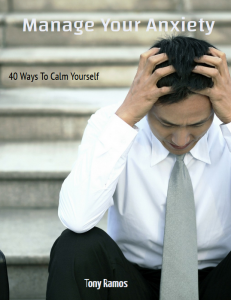


 Mental health disorders are a group of conditions that affect a person’s thinking, mood, and behavior. These disorders can cause significant distress and impair a person’s ability to function in daily life. It is important to recognize the signs and symptoms of mental health disorders to seek proper treatment. Here are ten mental health disorders and the symptoms you shouldn’t ignore.
1. Depression:
Depression is a mood disorder that affects millions of people worldwide. Symptoms of depression include persistent sadness, loss of interest or pleasure in activities, changes in appetite and sleep patterns, feelings of hopelessness or worthlessness, and thoughts of suicide.
2. Anxiety:
Anxiety disorders are the most common mental health disorders in the United States. Symptoms of anxiety include excessive worry or fear, restlessness, irritability, difficulty concentrating, and physical symptoms such as sweating and trembling.
3. Bipolar disorder:
Bipolar disorder is a mood disorder characterized by alternating episodes of mania and depression. Symptoms of mania include elevated mood, increased energy, and racing thoughts, while symptoms of depression are similar to those of major depression.
4. Schizophrenia:
Schizophrenia is a severe mental health disorder that affects a person’s ability to think, feel, and behave clearly. Symptoms of schizophrenia include hallucinations, delusions, disorganized speech and behavior, and social withdrawal.
5. Obsessive-compulsive disorder (OCD):
OCD is a mental health disorder characterized by obsessive thoughts and compulsive behaviors. Symptoms of OCD include intrusive thoughts or images, repetitive behaviors such as checking, cleaning, or counting, and intense anxiety or distress.
6. Post-traumatic stress disorder (PTSD):
PTSD is a mental health disorder that can develop after experiencing or witnessing a traumatic event. Symptoms of PTSD include flashbacks, nightmares, avoidance of triggers, hyperarousal, and negative changes in mood or cognition.
7. Attention-deficit/hyperactivity disorder (ADHD):
ADHD is a neurodevelopmental disorder that affects attention, hyperactivity, and impulsivity. Symptoms of ADHD include difficulty focusing, trouble following instructions, fidgeting or squirming, and interrupting others.
8. Eating disorders:
Eating disorders are mental health disorders that involve abnormal eating behaviors and distorted body image. Symptoms of eating disorders include restrictive eating, binge eating, purging, and excessive exercise.
9. Borderline personality disorder (BPD):
BPD is a mental health disorder characterized by unstable moods, relationships, and self-image. Symptoms of BPD include intense and unstable emotions, fear of abandonment, impulsivity, and self-harm.
10. Substance use disorders:
Substance use disorders are mental health disorders that involve the misuse of drugs or alcohol. Symptoms of substance use disorders include cravings, tolerance, withdrawal, and continued use despite negative consequences.
In conclusion, mental health disorders are common and can have a significant impact on a person’s life. It is essential to recognize the signs and symptoms of mental health disorders to seek proper treatment. If you or someone you know is experiencing symptoms of a mental health disorder, seeking help from a mental health professional is crucial. Remember, seeking help is a sign of strength, and there is no shame in taking care of your mental health.