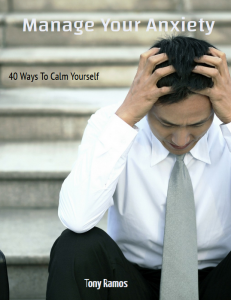


 In today’s fast-paced world, stress and anxiety have become part and parcel of our daily lives. We are constantly being bombarded by emails, social media notifications, work deadlines, and personal commitments, which can leave us feeling overwhelmed and exhausted.
To combat these negative emotions, more and more people are turning to mindfulness as an effective way to reduce stress and anxiety. Mindfulness is a technique that involves being fully present and aware of the current moment, without judgment or distraction. By practicing mindfulness regularly, we can learn to manage our thoughts and emotions more effectively, leading to a greater sense of calm and well-being.
Research has shown that mindfulness can be a powerful tool for reducing stress and anxiety. A study published in the Journal of Clinical Psychology found that mindfulness-based stress reduction (MBSR) was effective in reducing symptoms of anxiety and depression in people with a variety of medical conditions. Another study published in the Journal of Psychosomatic Research found that mindfulness was effective in reducing symptoms of stress in healthcare workers.
So, how exactly does mindfulness work to reduce stress and anxiety? When we are stressed or anxious, our minds tend to race with negative thoughts and worries about the future. By practicing mindfulness, we can learn to observe these thoughts and emotions without becoming swept up in them. This can help us to break free from the cycle of negative thinking and reduce our stress levels.
One of the key components of mindfulness is learning to focus on the present moment. This means paying attention to our surroundings, our thoughts, and our emotions, without getting caught up in past regrets or future worries. By focusing on the present moment, we can learn to appreciate the beauty and joy in our lives, and let go of negative thoughts and emotions.
Another important aspect of mindfulness is learning to cultivate a sense of compassion and acceptance towards ourselves and others. This means recognizing that we are all imperfect human beings, and that it is okay to make mistakes and experience negative emotions. By cultivating self-compassion, we can learn to be kinder and more forgiving towards ourselves, and reduce our levels of stress and anxiety.
In conclusion, mindfulness is a proven method for reducing stress and anxiety in our daily lives. By practicing mindfulness regularly, we can learn to manage our thoughts and emotions more effectively, leading to a greater sense of calm and well-being. So, why not give mindfulness a try today and see the positive impact it can have on your life?