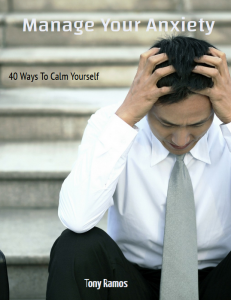


 Mental health disorders are often misunderstood and stigmatized in society. Many people are afraid to talk about their mental health struggles, which only perpetuates the negative stigma surrounding these issues. It is important to understand that mental health disorders are common and can affect anyone, regardless of age, gender, race, or socioeconomic status. Breaking the stigma around mental health is crucial for individuals to seek the help they need and for society to provide the necessary resources and support. Here is a complete list of mental health disorders to help start the conversation and break the stigma.
Anxiety Disorders:
Anxiety disorders are the most common mental health disorders, affecting approximately 40 million adults in the United States alone. Anxiety disorders include generalized anxiety disorder, panic disorder, social anxiety disorder, and phobias. Symptoms can include excessive worry, fear, and avoidance behaviors that interfere with daily life.
Mood Disorders:
Mood disorders include depression, bipolar disorder, and seasonal affective disorder. These disorders affect an individual’s emotional state and can lead to feelings of sadness, hopelessness, and loss of interest in activities.
Personality Disorders:
Personality disorders are characterized by long-standing patterns of behavior and thoughts that deviate from cultural norms. These disorders include borderline personality disorder, narcissistic personality disorder, and antisocial personality disorder.
Eating Disorders:
Eating disorders affect an individual’s relationship with food, body image, and weight. These disorders include anorexia nervosa, bulimia nervosa, and binge-eating disorder.
Substance Abuse Disorders:
Substance abuse disorders involve the compulsive use of drugs or alcohol despite negative consequences. These disorders can lead to physical and mental health problems, as well as social and legal issues.
Psychotic Disorders:
Psychotic disorders include schizophrenia and delusional disorder. These disorders can cause individuals to experience hallucinations, delusions, and disordered thinking.
Obsessive-Compulsive and Related Disorders:
Obsessive-compulsive and related disorders include obsessive-compulsive disorder, hoarding disorder, and body dysmorphic disorder. These disorders involve repetitive behaviors and thoughts that interfere with daily life.
Trauma and Stressor-Related Disorders:
Trauma and stressor-related disorders include post-traumatic stress disorder (PTSD), acute stress disorder, and adjustment disorder. These disorders can develop after experiencing or witnessing a traumatic event and can cause intrusive thoughts, flashbacks, and avoidance behaviors.
Neurodevelopmental Disorders:
Neurodevelopmental disorders include autism spectrum disorder, attention-deficit/hyperactivity disorder (ADHD), and intellectual disability. These disorders can affect an individual’s social, communication, and cognitive abilities.
Sleep Disorders:
Sleep disorders involve disruptions in sleep patterns that can lead to daytime fatigue and impairments in daily functioning. These disorders include insomnia, sleep apnea, and restless leg syndrome.
Breaking the stigma around mental health disorders is crucial for individuals to receive the proper treatment and support they need. It is important to remember that mental health disorders are not a personal weakness or character flaw, but rather a medical condition that can be treated with therapy, medication, and support. By understanding and accepting mental health disorders, we can create a more compassionate and inclusive society for all.