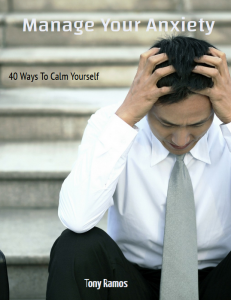



 Resilience is the ability to cope with stress, bounce back from setbacks, and adapt to change. It’s an essential component of mental health and wellbeing. Resilient people have the courage and perseverance to face challenges head-on, and they don’t let adversity defeat them. Here are ten mental health examples of resilience that demonstrate the power of courage and perseverance.
1. Overcoming Trauma
Trauma can have a profound impact on mental health and wellbeing. It can cause feelings of fear, anxiety, and depression that can last for years. However, resilient individuals have the ability to overcome trauma by seeking help from mental health professionals, practicing self-care, and developing coping strategies.
2. Coping with Chronic Illness
Living with chronic illness can be challenging, but resilient individuals are able to cope with their condition by maintaining a positive attitude, seeking support from loved ones, and advocating for themselves with healthcare providers.
3. Surviving Abuse
Abuse can have a devastating impact on mental health, but resilient individuals are able to survive and heal by seeking help from mental health professionals, building a support network, and practicing self-care.
4. Overcoming Addiction
Addiction is a challenging condition to overcome, but resilient individuals are able to do so by seeking help from addiction specialists, attending support groups, and developing healthy coping mechanisms.
5. Navigating Grief
Grief can be a difficult emotion to navigate, but resilient individuals are able to do so by seeking support from loved ones, practicing self-care, and developing healthy coping mechanisms.
6. Facing Discrimination
Discrimination can cause feelings of anger, frustration, and sadness, but resilient individuals are able to face discrimination by advocating for themselves, building a support network, and practicing self-care.
7. Overcoming Mental Illness
Mental illness can be a challenging condition to manage, but resilient individuals are able to overcome mental illness by seeking help from mental health professionals, attending support groups, and practicing self-care.
8. Coping with Financial Hardship
Financial hardship can cause feelings of stress and anxiety, but resilient individuals are able to cope by seeking assistance from financial professionals, developing a budget, and finding ways to stay positive.
9. Navigating Relationship Challenges
Relationship challenges can cause feelings of sadness and anxiety, but resilient individuals are able to navigate these challenges by seeking support from loved ones, practicing self-care, and developing healthy communication skills.
10. Pursuing Career Goals
Pursuing career goals can be challenging, but resilient individuals are able to do so by setting achievable goals, seeking support from mentors, and practicing self-care.
In conclusion, resilience is an essential component of mental health and wellbeing. Resilient individuals have the courage and perseverance to face challenges head-on, and they don’t let adversity defeat them. By seeking help from mental health professionals, building a support network, and practicing self-care, anyone can develop the resilience they need to overcome life’s challenges.