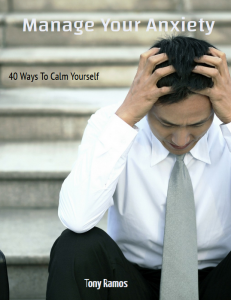


 Mental health conditions such as depression and bipolar disorder can greatly impact an individual’s daily life, relationships, and overall well-being. It is important to understand the differences between these conditions and to seek appropriate treatment in order to manage symptoms and improve quality of life.
Depression is a mood disorder characterized by persistent feelings of sadness, hopelessness, and loss of interest in activities that were once enjoyable. It can also cause physical symptoms such as fatigue, changes in appetite, and difficulty sleeping. Depression can be caused by a variety of factors including genetics, environmental stressors, and chemical imbalances in the brain.
Bipolar disorder, on the other hand, is a mood disorder that causes extreme shifts in mood, energy, and activity levels. Individuals with bipolar disorder experience periods of mania or hypomania, characterized by elevated or irritable mood, increased energy and activity levels, and impulsive behaviors. These periods are followed by depressive episodes, similar to those experienced in depression. Bipolar disorder can also cause changes in sleep patterns, appetite, and behavior.
Diagnosing and treating these conditions is crucial in managing symptoms and improving quality of life. A mental health professional, such as a psychiatrist or psychologist, can assess symptoms and provide a diagnosis. Treatment options may include medication, therapy, or a combination of both.
Medications commonly used for depression include antidepressants, which work by balancing chemicals in the brain. For bipolar disorder, mood stabilizers such as lithium or antipsychotic medications may be prescribed to manage manic and depressive episodes.
Therapy, such as cognitive-behavioral therapy or psychotherapy, can also be effective in managing symptoms of depression and bipolar disorder. These therapies can help individuals identify negative thought patterns and behaviors, develop coping skills, and improve relationships.
In addition to medication and therapy, lifestyle changes can also aid in managing symptoms of depression and bipolar disorder. This may include regular exercise, a healthy diet, and establishing a consistent sleep schedule.
It is important for individuals with depression or bipolar disorder to seek professional help and support from loved ones. With proper treatment and support, individuals can manage symptoms, improve quality of life, and lead fulfilling and productive lives.