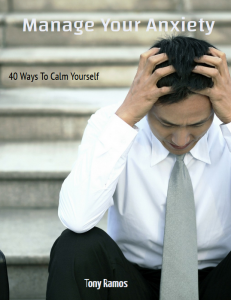



 Depression and low self-esteem are two interconnected issues that affect millions of people around the world. While depression is a clinical condition that requires professional medical attention, low self-esteem can be a result of various factors, including past experiences, negative self-talk, and societal pressure.
The good news is that both depression and low self-esteem can be overcome with the right strategies and mindset. If you’re struggling with self-doubt and negative thoughts, here are some tips to help you boost your self-esteem and overcome depression.
1. Challenge Your Negative Thoughts
One of the main reasons why people struggle with low self-esteem is because of the negative thoughts they have about themselves. These thoughts can be self-critical, self-judgmental, and self-deprecating. However, it’s important to realize that these thoughts are not facts, but rather interpretations of your experiences.
To challenge your negative thoughts, start by becoming aware of them. Write them down and ask yourself if they’re really true or if there’s another perspective you can take. For instance, if you think you’re not good enough, ask yourself what evidence you have to support that claim. Then, try to find evidence to the contrary and focus on building a more positive narrative about yourself.
2. Practice Self-Care
Taking care of yourself is essential for boosting your self-esteem and overcoming depression. This includes getting enough sleep, eating a healthy diet, exercising regularly, and engaging in activities that bring you joy and fulfillment.
Self-care also involves setting boundaries and saying no to things that don’t serve you. It’s important to prioritize your own needs and to treat yourself with kindness and compassion. This can involve practicing mindfulness, meditation, or other relaxation techniques that help you connect with your inner self and find peace and clarity.
3. Build a Support System
Having a strong support system is crucial for overcoming depression and boosting self-esteem. This can include family, friends, therapists, or other professionals who can offer you guidance and encouragement.
It’s important to surround yourself with people who uplift you and support your goals and aspirations. Avoid toxic relationships or situations that drain your energy and make you feel worse about yourself. Instead, seek out positive and supportive environments that help you grow and thrive.
4. Set Realistic Goals
Setting realistic goals is another important aspect of overcoming depression and boosting self-esteem. This involves breaking down your goals into smaller, achievable steps and celebrating your progress along the way.
It’s important to set goals that are aligned with your values and passions, rather than what others expect of you. This can involve pursuing hobbies, learning new skills, or engaging in activities that make you feel empowered and confident.
5. Practice Gratitude
Practicing gratitude is a powerful way to shift your focus from the negative to the positive. This involves acknowledging and appreciating the good things in your life, no matter how small they may seem.
Try to make a habit of writing down three things you’re grateful for each day. This can help you cultivate a more positive mindset and build resilience in the face of challenges.
In conclusion, overcoming depression and boosting self-esteem is a journey that requires patience, perseverance, and self-compassion. By challenging your negative thoughts, practicing self-care, building a support system, setting realistic goals, and practicing gratitude, you can cultivate a more positive and fulfilling life. Remember that you are worthy and deserving of love and happiness, and that you have the power to create the life you want.