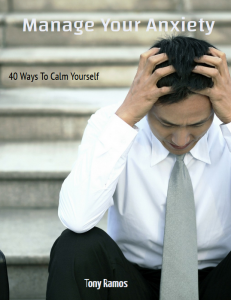



 In today’s day and age, life can often feel like a never-ending roller coaster ride. With the constant hustle and bustle of daily life and the increasing demands of work, family, and social obligations, it’s no wonder that many of us struggle with stress and anxiety.
Fortunately, there is a powerful tool that can help us cope with life’s challenges: mindfulness. Mindfulness is the practice of being present and fully engaged in the moment, without judgment or distraction. It helps us to stay grounded and focused, even in the midst of chaos and uncertainty.
So how exactly can mindfulness help us cope with life’s challenges? Here are just a few ways:
1. Reducing stress and anxiety
Mindfulness has been shown to be highly effective in reducing stress and anxiety. By focusing on the present moment and letting go of worries and distractions, we can calm our minds and reduce the physical symptoms of stress, such as muscle tension and rapid heartbeat.
2. Improving emotional regulation
When we practice mindfulness, we become more aware of our thoughts and emotions. This increased self-awareness allows us to better regulate our emotions and respond to challenging situations in a more constructive way.
3. Enhancing resilience
Mindfulness can also help us develop resilience, or the ability to bounce back from adversity. By staying present and focused, we can better cope with setbacks and challenges, and emerge from them stronger and more resilient than before.
4. Improving relationships
Finally, mindfulness can help us improve our relationships with others. By staying present and fully engaged in our interactions with others, we can communicate more effectively, build stronger connections, and deepen our understanding of those around us.
So how can you incorporate mindfulness into your daily life? Here are a few simple tips:
– Start small: Begin by setting aside just a few minutes each day to practice mindfulness, and gradually increase the amount of time as you become more comfortable with the practice.
– Focus on the present moment: Choose a specific activity, such as breathing or walking, and focus your attention fully on that activity, without distraction.
– Practice non-judgment: When thoughts or emotions arise, simply observe them without judgment or attachment, and then let them go.
– Be consistent: Make mindfulness a regular part of your daily routine, and stick with it even when it feels challenging or uncomfortable.
In conclusion, mindfulness is a powerful tool that can help us cope with life’s challenges. By staying present, focused, and non-judgmental, we can reduce stress, regulate our emotions, enhance our resilience, and strengthen our relationships with others. So why not give it a try today? Your mind (and body) will thank you.