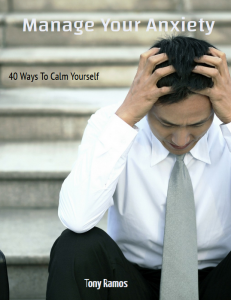


 Stress and anxiety are two common issues that many of us face in our daily lives. While there are various ways to tackle these problems, mindfulness techniques have gained popularity in recent years. Mindfulness is an ancient practice that originated in Buddhist teachings and refers to paying attention to the present moment without judgment. It involves focusing on your thoughts, emotions, and sensations, and accepting them as they are. Here are five mindfulness techniques that can help reduce stress and anxiety.
1. Mindful Breathing
Breathing is an essential part of mindfulness practice. Taking deep breaths can calm the mind and body, reducing stress and anxiety. You can try the following technique:
– Find a quiet place where you won’t be disturbed.
– Sit comfortably with your back straight and your eyes closed.
– Focus on your breath as you inhale and exhale.
– Count each breath, starting from one and going up to ten.
– If your mind wanders, gently bring it back to your breath and start counting from one again.
2. Body Scan
The body scan technique involves paying attention to different parts of your body, one at a time, and noticing any sensations or tension. This technique can help you identify areas of tension and release them. Here’s how to do it:
– Lie down on your back or sit comfortably.
– Close your eyes and take a few deep breaths.
– Focus your attention on your toes and notice any sensations, such as warmth or tension.
– Move your attention up to your feet, ankles, calves, and so on, until you’ve scanned your entire body.
– If you notice any areas of tension, try to relax them by releasing the muscles.
3. Mindful Walking
Walking can also be a mindfulness practice. Instead of walking on autopilot, you can focus on the sensation of your feet touching the ground, the movement of your body, and the sounds around you. Here’s how to do it:
– Find a quiet place where you can walk without distractions.
– Start walking at a natural pace.
– Focus your attention on your feet and the sensation of them touching the ground.
– Notice the movement of your body as you walk.
– Pay attention to the sounds around you, such as birds chirping or leaves rustling.
4. Mindful Eating
Eating mindfully involves paying attention to your food, the taste, texture, and smell. This technique can help you enjoy your food more and reduce overeating. Here’s how to do it:
– Choose a food you enjoy, such as a piece of fruit or a small snack.
– Sit down at a table with no distractions.
– Take a moment to appreciate the food’s appearance and smell.
– Take a small bite and notice the taste and texture.
– Chew slowly and savor the flavor.
– Notice any sensations in your body as you eat.
5. Gratitude Practice
Gratitude is a powerful emotion that can reduce stress and anxiety. Practicing gratitude involves focusing on the positive aspects of your life and being thankful for them. Here’s how to do it:
– Take a few minutes each day to reflect on what you’re grateful for.
– Write down three things you’re thankful for, such as your health, your friends, or your job.
– Take a moment to appreciate these things and feel grateful for them.
In conclusion, these mindfulness techniques can help reduce stress and anxiety by bringing your attention to the present moment and accepting it without judgment. Incorporating these practices into your daily routine can lead to a more peaceful and fulfilling life.