

A Guide to Recognizing the 20 Most Common Mental Health Disorders
 Mental health disorders are common, affecting millions of people worldwide. According to the World Health Organization, one in four people will experience a mental health disorder in their lifetime. However, mental health disorders are often misunderstood and stigmatized. It is essential to understand the symptoms and signs of the most common mental health disorders to be able to recognize them and seek help.
1. Anxiety Disorders
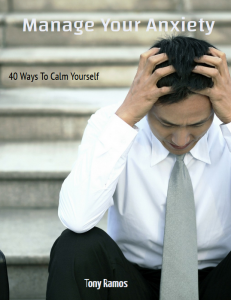
Anxiety disorders are the most common mental health disorders, affecting over 40 million adults in the United States alone. These disorders are characterized by excessive worry, fear, or nervousness that interferes with daily life. Common anxiety disorders include generalized anxiety disorder, panic disorder, social anxiety disorder, and obsessive-compulsive disorder.
2. Depression
Depression is a mood disorder that affects over 264 million people worldwide. It is characterized by feelings of sadness, hopelessness, and a loss of interest in daily activities. Depression can be severe and can lead to suicidal thoughts and behaviors.
3. Bipolar Disorder
Bipolar disorder, also known as manic-depressive illness, is a disorder that causes extreme shifts in mood, energy, and activity levels. These shifts can range from periods of extreme highs (mania) to periods of extreme lows (depression).
4. Schizophrenia
Schizophrenia is a severe mental disorder that affects how a person thinks, feels, and behaves. It can cause delusions, hallucinations, disordered thinking, and difficulty functioning in daily life.
5. Eating Disorders
Eating disorders are a group of mental health disorders characterized by abnormal eating habits and a distorted body image. Common eating disorders include anorexia nervosa, bulimia nervosa, and binge-eating disorder.
6. Post-Traumatic Stress Disorder (PTSD)
PTSD is a disorder that can develop after experiencing or witnessing a traumatic event. Symptoms include flashbacks, nightmares, and intense anxiety or fear.
7. Obsessive-Compulsive Disorder (OCD)
OCD is a disorder characterized by intrusive thoughts and repetitive behaviors. People with OCD may feel compelled to perform certain rituals or routines to alleviate anxiety.
8. Attention-Deficit/Hyperactivity Disorder (ADHD)
ADHD is a disorder that affects attention, hyperactivity, and impulsivity. It is most commonly diagnosed in children but can continue into adulthood.
9. Borderline Personality Disorder (BPD)
BPD is a disorder characterized by unstable moods, behaviors, and relationships. People with BPD may have intense fears of abandonment and engage in impulsive and self-destructive behaviors.
10. Substance Use Disorders
Substance use disorders are a group of disorders that involve the use of drugs or alcohol. These disorders can lead to addiction, physical dependence, and other health problems.
11. Autism Spectrum Disorder (ASD)
ASD is a developmental disorder that affects communication, social interaction, and behavior. It can range from mild to severe and affects people differently.
12. Dissociative Disorders
Dissociative disorders are a group of disorders characterized by a disruption in consciousness, memory, identity, or perception. These disorders can be caused by trauma or stress.
13. Personality Disorders
Personality disorders are a group of disorders characterized by patterns of behavior and thinking that differ from societal norms. These disorders can affect relationships, work, and daily life.
14. Sleep Disorders
Sleep disorders are a group of disorders that affect sleep quality and quantity. They can cause fatigue, irritability, and other health problems.
15. Sexual Disorders
Sexual disorders are a group of disorders that affect sexual function or behavior. They can cause distress and affect relationships and daily life.
16. Somatoform Disorders
Somatoform disorders are a group of disorders characterized by physical symptoms that cannot be explained by medical conditions. These disorders can be caused by stress or anxiety.
17. Tic Disorders
Tic disorders are a group of disorders characterized by repetitive, involuntary movements or sounds. These disorders can be caused by stress or anxiety.
18. Trauma and Stressor-Related Disorders
Trauma and stressor-related disorders are a group of disorders that can develop after experiencing or witnessing a traumatic event. These disorders can cause anxiety, depression, and other symptoms.
19. Neurodevelopmental Disorders
Neurodevelopmental disorders are a group of disorders that affect brain function and development. These disorders can affect learning, communication, and behavior.
20. Mood Disorders
Mood disorders are a group of disorders that affect mood and emotion. These disorders can cause depression, anxiety, and other symptoms.
In conclusion, recognizing the signs and symptoms of mental health disorders is crucial to seeking help and getting the right treatment. It is essential to understand that mental health disorders are common and treatable, and seeking help is a sign of strength. If you or someone you know is struggling with a mental health disorder, seek professional help from a mental health provider.


You May Also Like

7 Tips for Better Decision-Making

A Soulful Family Reunion Prayer Poem for Your Loved Ones
