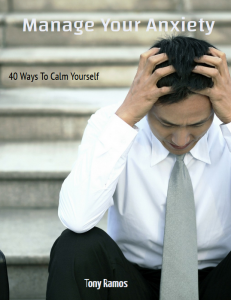


 Anxiety and depression can affect anyone, regardless of age, gender, or background. Coping with these mental health conditions can be a challenge, but there are strategies and tips that can help individuals manage their symptoms and improve their overall quality of life.
One of the most effective strategies for coping with anxiety and depression is to seek professional help. A mental health professional can provide a diagnosis, offer support and guidance, and develop a treatment plan tailored to an individual’s unique needs.
In addition to seeking professional help, there are several other strategies and tips that can help individuals cope with anxiety and depression in their everyday lives:
1. Practice self-care: Taking care of oneself is essential for managing anxiety and depression. This includes getting enough sleep, eating a healthy diet, exercising regularly, and engaging in activities that bring joy and relaxation.
2. Identify triggers: Identifying triggers that exacerbate symptoms can help individuals avoid or manage situations that may cause anxiety or depression. Common triggers include stress, certain people or situations, and negative thoughts or beliefs.
3. Challenge negative thoughts: Negative thoughts and beliefs can contribute to anxiety and depression. By challenging these thoughts and replacing them with more positive, realistic ones, individuals can improve their mood and reduce their symptoms.
4. Practice relaxation techniques: Relaxation techniques, such as deep breathing, meditation, or yoga, can help individuals reduce stress and anxiety. These techniques can be practiced regularly to promote overall mental and physical well-being.
5. Stay connected: Isolation can worsen symptoms of anxiety and depression. By staying connected with friends and family, individuals can receive support and encouragement during difficult times.
6. Set achievable goals: Setting small, achievable goals can help individuals feel a sense of accomplishment and improve their self-esteem. This can help individuals feel more motivated and confident in managing their symptoms.
Coping with anxiety and depression can be challenging, but with the right strategies and support, individuals can improve their overall quality of life. Seeking professional help, practicing self-care, identifying triggers, challenging negative thoughts, practicing relaxation techniques, staying connected, and setting achievable goals are all effective strategies for managing symptoms and promoting mental and emotional well-being.